 admin
adminIn today’s fast-paced digital environment, real-time interaction has become a key factor in user engagement. Real-time streaming technology enables platforms to deliver content instantly, allowing users to experience live updates, seamless communication, and dynamic interactions without delays. This technology is especially important in interactive platforms where timing and synchronization are critical.
A platform such as MK8 reflects how real-time streaming can enhance performance and user experience by ensuring smooth and continuous data flow. By leveraging advanced streaming technologies, platforms can provide immersive and responsive environments for users.
📡 What Is Real-Time Streaming?
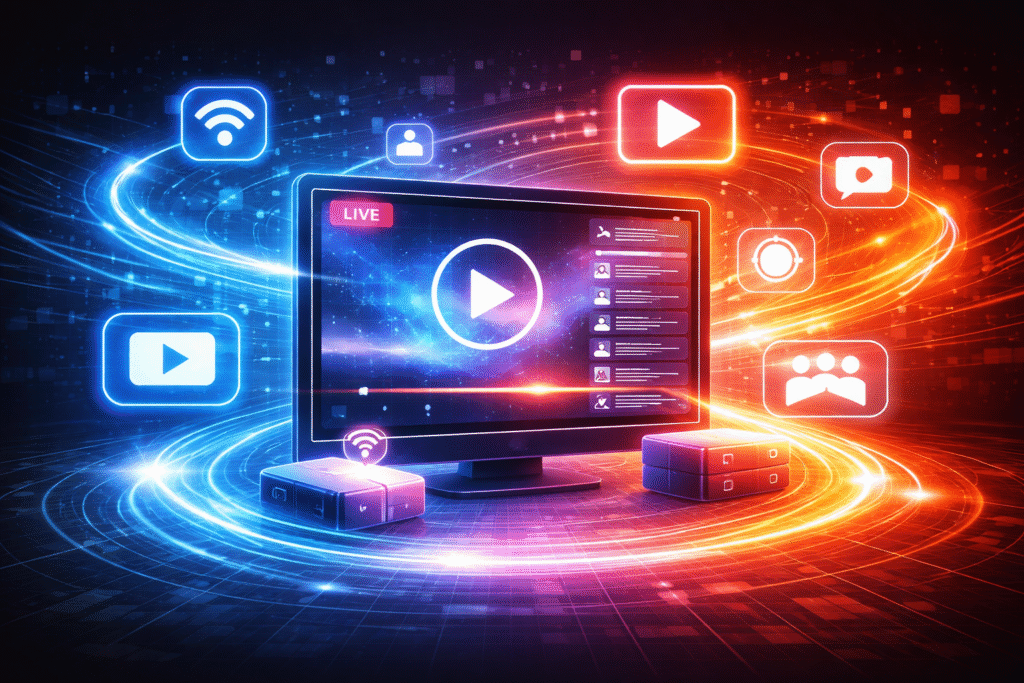
Real-time streaming refers to the continuous transmission of data as it is generated, allowing users to receive updates instantly. Unlike traditional systems that rely on periodic updates, real-time streaming ensures that information is delivered without delay.
Examples include:
- Live video and audio streaming
- Real-time notifications
- Instant messaging systems
- Interactive gaming updates
This technology creates a more engaging and responsive user experience.
⚙️ How Real-Time Streaming Works
Real-time streaming systems rely on a combination of technologies to deliver data efficiently. The process typically involves:
- Data generation from a source (user actions, events, or content)
- Data transmission through streaming protocols
- Processing and distribution via servers or cloud infrastructure
- Instant delivery to end users
Technologies such as WebSockets, RTMP (Real-Time Messaging Protocol), and HTTP Live Streaming (HLS) are commonly used to enable real-time communication.
🚀 Benefits of Real-Time Streaming
Real-time streaming provides several advantages for modern digital platforms:
⚡ Instant Interaction
Users receive updates immediately, enhancing engagement and responsiveness.
🎯 Improved User Experience
Seamless streaming creates a smooth and immersive environment.
📈 Higher Engagement
Live interactions encourage users to stay active on the platform.
🔄 Continuous Data Flow
Systems can process and deliver data without interruptions.
🌐 Applications in Interactive Platforms
Real-time streaming technology is widely used across various digital platforms:
- Online gaming systems for live gameplay updates
- Social media platforms for live broadcasts
- Messaging apps for instant communication
- Financial platforms for real-time market data
These applications rely on real-time streaming to maintain accuracy and responsiveness.
⚡ Performance Optimization in Streaming Systems
Delivering real-time data efficiently requires optimized performance. Platforms implement several strategies to ensure smooth streaming:
- Using Content Delivery Networks (CDNs) to reduce latency
- Compressing data for faster transmission
- Implementing adaptive streaming for varying network conditions
- Utilizing edge computing for faster processing
These techniques help maintain high-quality streaming experiences.
🔐 Security in Real-Time Streaming
Security is essential in real-time streaming systems, especially when handling sensitive data. Platforms must ensure that data is protected during transmission.
Security measures include:
- Encrypted data streams
- Secure authentication mechanisms
- Access control systems
- Monitoring for suspicious activity
These measures help protect both the platform and its users.
🔄 Challenges in Real-Time Streaming
Despite its advantages, real-time streaming also presents challenges:
- Managing high data volumes
- Ensuring low latency
- Handling network fluctuations
- Maintaining synchronization across users
To address these challenges, platforms use advanced infrastructure and optimization techniques.
🔮 Future Trends in Real-Time Streaming
Real-time streaming technology continues to evolve with new innovations:
- Integration with AI for intelligent streaming optimization
- Expansion of edge computing for faster delivery
- Adoption of 5G networks for improved connectivity
- Enhanced interactive features such as AR/VR streaming
These advancements are shaping the future of interactive digital platforms.
🎯 Conclusion
Real-time streaming technology is a vital component of modern interactive platforms. By enabling instant data transmission and seamless interactions, it enhances user engagement and overall experience.
As digital platforms continue to grow, investing in real-time streaming will be essential for maintaining competitiveness. Systems that prioritize speed, reliability, and scalability will be better positioned to deliver high-quality, real-time experiences.